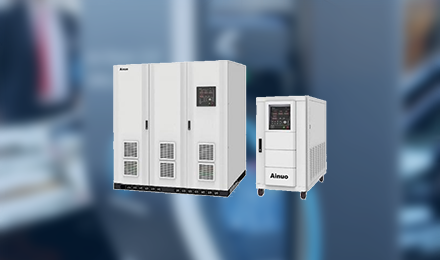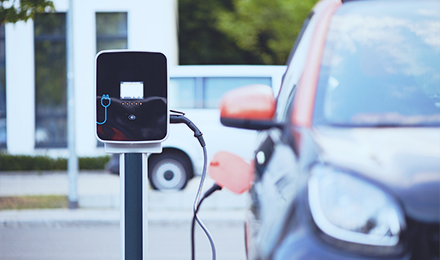
As electric vehicles (EVs), battery energy storage systems (BESS), and renewable energy technologies advance, the demand for accurate and efficient battery testing equipment continues to grow. A bidirectional battery simulator enables engineers to replace physical battery packs with a programmable power source that can both supply and absorb energy, making development faster, safer, and more repeatable.
Whether you're testing EV powertrains, Battery Management Systems (BMS), DC-DC converters, or energy storage systems, choosing the right battery simulator can significantly improve testing accuracy and reduce operating costs.
This buyer's guide explains the most important factors to consider before investing in a programmable bidirectional battery simulator.
What Is a Bidirectional Battery Simulator?
A bidirectional battery simulator, also known as a battery simulation power supply or battery emulator, is a programmable DC power supply designed to accurately reproduce the electrical behavior of a battery pack.
Unlike conventional power supplies, a bidirectional system can both:
This capability makes it ideal for EV battery testing, regenerative braking validation, charger testing, and battery management system development.
1. Choose a Battery Simulator That Matches Your Application
The best battery simulator depends on your specific testing requirements.
Common applications include:
Selecting a versatile bidirectional battery simulator ensures your investment supports both current and future projects.
2. Select the Appropriate Voltage, Current, and Power Rating
When comparing battery simulation power supplies, pay close attention to their electrical specifications.
Important considerations include:
Choosing a system with sufficient headroom allows your laboratory to support next-generation battery technologies without replacing existing equipment.
3. Verify True Bidirectional Operation
Not every programmable DC power supply offers genuine bidirectional capability.
A true bidirectional DC power supply should seamlessly transition between:
This feature is essential for testing:
Rather than wasting returned energy as heat, a regenerative DC power supply feeds energy back to the electrical grid, improving efficiency while reducing cooling requirements and electricity costs.
4. Evaluate Battery Simulation Accuracy
An effective battery emulator should accurately reproduce the behavior of real batteries under changing operating conditions.
Look for support for:
Advanced programmable battery simulators may also support:
The more realistic the simulation, the more reliable your test results.
5. Look for Fast Dynamic Response
Power electronic devices experience rapid load changes during normal operation.
Your battery simulator for EV testing should provide:
A high-speed simulator better reproduces real battery behavior, improving validation of motor controllers, inverters, and charging systems.
6. Confirm Multiple Operating Modes
A flexible battery simulation power supply should support multiple operating modes, including:
These modes allow engineers to simulate a wide range of charging and discharging conditions using a single instrument.
7. Prioritize Automation and Programmability
Modern R&D laboratories increasingly depend on automated testing.
Look for a programmable battery simulator that offers:
Automation improves repeatability while reducing engineering time.
8. Check Communication Interfaces
The best battery testing equipment integrates easily with existing test systems.
Recommended communication interfaces include:
These interfaces simplify integration with automated production lines and laboratory control software.
9. Compare Safety Features
Safety should always be a priority when testing high-power electrical systems.
Choose a bidirectional battery simulator with comprehensive protection features, including:
Robust protection safeguards both the equipment and the device under test.
Battery Simulator Buying Checklist
Before purchasing a bidirectional battery simulator, consider the following questions:
Answering these questions will help you select a solution that delivers long-term value and reliable performance.
Conclusion
A bidirectional battery simulator is an essential tool for modern battery and power electronics development. From EV battery testing and BMS validation to renewable energy research and industrial power conversion, selecting the right system improves testing accuracy, increases laboratory efficiency, and reduces operating costs.
When evaluating a battery simulation power supply, look beyond basic specifications. Consider dynamic response, regenerative capability, battery modeling accuracy, automation features, communication interfaces, and scalability. Investing in the right programmable battery simulator today will help your engineering team meet tomorrow’s testing challenges with confidence.
*Please fill in the required information carefully, and we will contact you within 4-8 hours.

 TEL:+86 532 83995188
 PHONE:+86 177 5322 5039
 E-MAIL:ainuo@ainuo.com
 ADDRESS:No. 134 Zhuzhou Rd, Laoshan District, Qingdao, China


Copyright©2025. Aino Instrument Co., Ltd All Rights Reserved.
Powered by:WDL