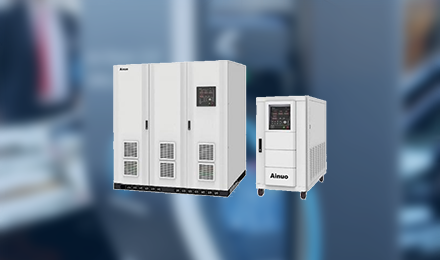
Engineers, test technicians, and system integrators constantly face the challenge of designing and verifying products that meet increasingly stringent performance requirements. One tool that has become indispensable in this environment is the programmable DC power supply. Beyond simply providing voltage and current, modern programmable DC power supplies enable automation, data logging, and integration into complex test systems. In this article, we explore how programmable DC power supplies can transform test automation, streamline workflows, and improve overall product quality.
Traditional DC power supplies were once simple, manual devices. A technician would adjust knobs to set voltage and current, monitor outputs using meters, and manually record readings. While effective for low-volume or simple testing scenarios, this approach is labor-intensive, prone to human error, and insufficient for modern electronics testing, which often involves thousands of test cycles, multiple operating conditions, and precise timing requirements.
Programmable DC power supplies address these limitations by allowing software control of voltage, current, and operational sequences. Engineers can define profiles, ramps, and pulses with millisecond accuracy, making them ideal for automated test systems (ATS) and production lines.
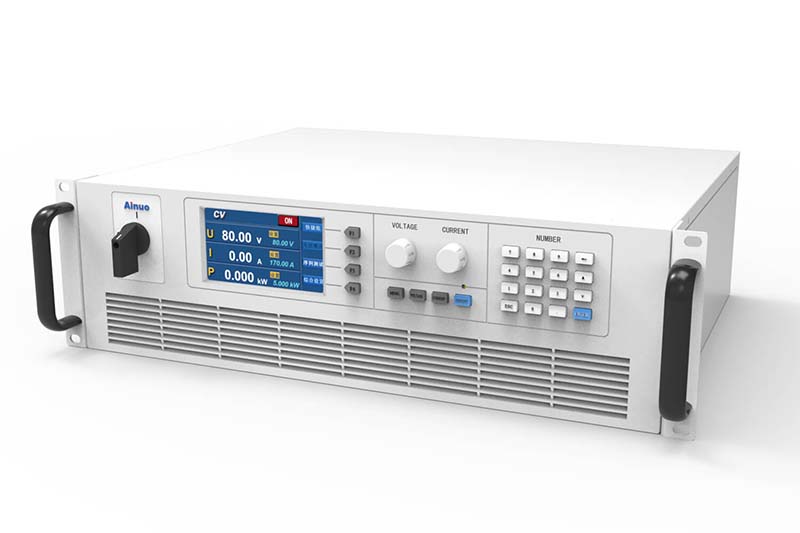
Battery manufacturers and developers rely heavily on programmable DC power supplies for charge/discharge cycles. Automation allows for simulating real-world usage patterns, measuring efficiency, and identifying degradation points. Programmable power supplies can switch between charging and discharging profiles automatically, dramatically reducing manual oversight.
For device validation, engineers need to test products across a wide range of voltages and currents to ensure reliability under varying conditions. Programmable DC power supplies enable stress testing, voltage sweeps, and transient simulations, all of which can be fully automated to save time and ensure comprehensive testing.
Modern vehicles and aircraft contain complex electronics systems, from infotainment to safety-critical components. Programmable DC power supplies can simulate battery conditions, load fluctuations, and power disturbances that these systems encounter in real-world operation. Automated sequences ensure that every scenario is reproducibly tested, improving reliability and compliance with industry standards.
In production environments, speed and accuracy are paramount. Automated test systems equipped with programmable DC power supplies can perform rapid functional checks, calibrations, and burn-in tests. Integration with robotic handling systems allows for fully automated production testing, minimizing human labor and maximizing throughput.
Choosing the appropriate programmable DC power supply depends on factors such as voltage/current range, stability, ripple, and communication interfaces. Engineers should also consider scalability for future test requirements.
Most modern supplies offer proprietary or standard programming languages such as SCPI (Standard Commands for Programmable Instruments). Using these commands, engineers can create scripts that control voltage ramps, current limits, timing sequences, and fault handling. Integration with software platforms like LabVIEW, MATLAB, or Python further enhances flexibility.
In automated test systems, the power supply must communicate with other instruments, sensors, and a central control system. Networking capabilities (LAN, USB, or GPIB) allow multiple devices to be orchestrated from a single test platform. Feedback loops from measurement devices enable dynamic adjustment of output parameters, simulating real-world scenarios more accurately.
Automation is only truly valuable if the data collected is meaningful. Programmable DC power supplies can log voltage, current, and temperature in real time. This data can be fed into analysis tools to detect anomalies, verify specifications, or generate reports for compliance documentation.
Programmable DC power supplies are no longer just laboratory instruments; they are powerful enablers of automated testing, improved efficiency, and higher product quality. From battery testing to aerospace electronics, the ability to precisely control, monitor, and log electrical outputs allows engineers to design more robust products while reducing testing time and labor costs.
Investing in programmable DC power supplies and integrating them into automated test systems is a strategic decision for any organization serious about innovation and reliability. With the combination of precision, automation, and data-driven insights, these devices are transforming how modern electronics are tested and validated—making the future of automated testing brighter, faster, and smarter.
*Please fill in the required information carefully, and we will contact you within 4-8 hours.

 TEL:+86 532 83995188
 PHONE:+86 177 5322 5039
 E-MAIL:ainuo@ainuo.com
 ADDRESS:No. 134 Zhuzhou Rd, Laoshan District, Qingdao, China


Copyright©2025. Aino Instrument Co., Ltd All Rights Reserved.
Powered by:WDL