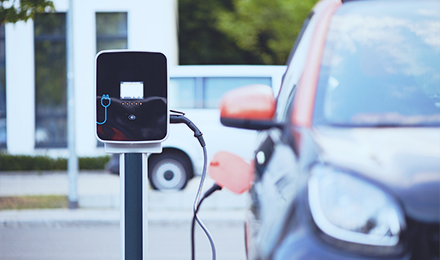
The global New Energy Vehicle (NEV) market—including electric vehicles (EVs), plug-in hybrids (PHEVs), and fuel-cell vehicles—is expanding at an unprecedented pace. As governments push for carbon neutrality and consumers demand cleaner transportation, NEV manufacturers are racing to innovate, scale production, and enter international markets.
However, with this rapid growth comes a critical challenge: meeting global electrical safety standards. High-voltage systems, complex battery architectures, and advanced power electronics introduce new risks that traditional automotive testing methods can no longer fully address. This is where an electrical safety tester plays a decisive role.
NEVs operate at much higher voltages than conventional internal combustion engine vehicles. Typical systems range from 400V to over 800V, with next-generation platforms pushing even higher. These elevated voltages increase risks such as:
Due to these risks, global regulators have established stringent electrical safety requirements that cover batteries, motors, inverters, onboard chargers, wiring harnesses, and complete vehicle assemblies. Non-compliance can result in failed certifications, recalls, legal penalties, or market bans.
Electrical safety testers provide the technical foundation to identify and mitigate these risks before products reach the road.
To sell NEVs internationally, manufacturers must comply with a complex web of regional and international standards. Electrical safety testers are designed to align with these regulations, including:
IEC Standards (IEC 60664, IEC 61851, IEC 62133)
ISO Standards (ISO 6469 series for EV safety)
UL Standards (UL 2580, UL 2202)
GB Standards (China's GB/T regulations for NEVs)
UNECE Regulations (R100 for electric vehicle safety)
Each standard specifies requirements for insulation resistance, dielectric strength, grounding continuity, leakage current, and more. Electrical safety testers help manufacturers validate compliance efficiently and accurately.
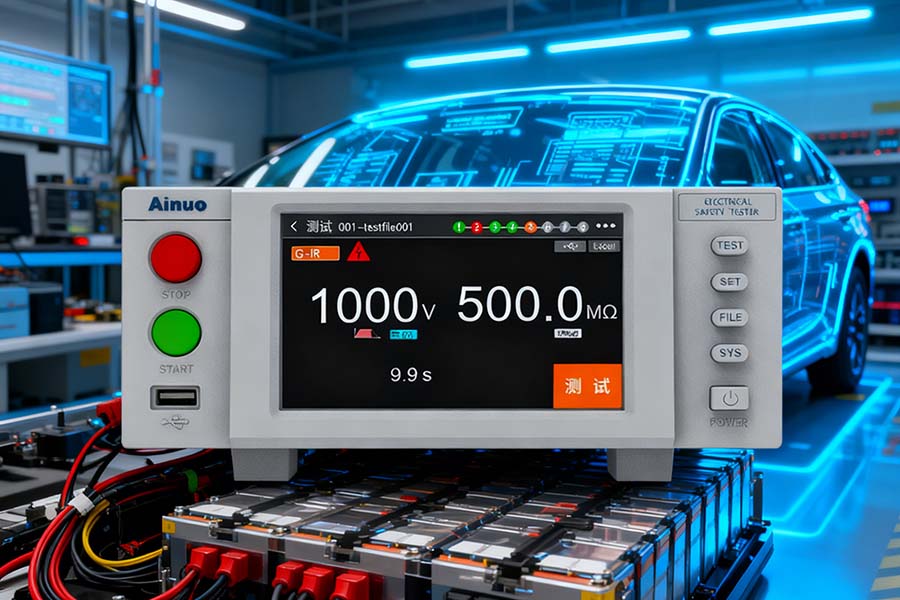
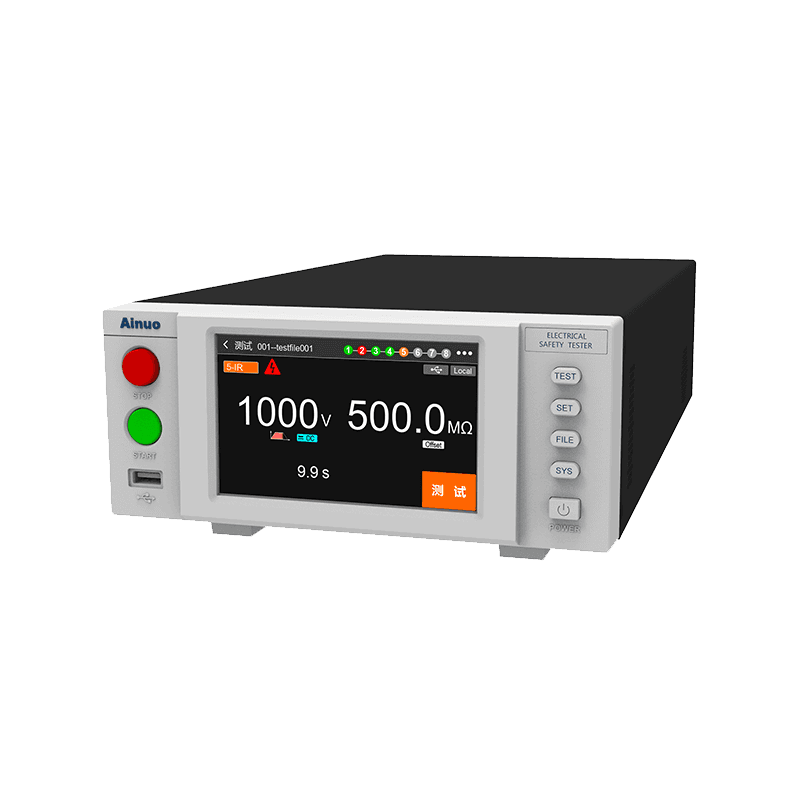
Electrical safety testers are specialized instruments used to evaluate whether electrical systems meet safety and performance criteria. In NEV manufacturing, they typically perform tests such as:
Insulation Resistance Testing
High-Potential (Hi-Pot) or Dielectric Withstand Testing
Ground Bond and Continuity Testing
Leakage Current Testing
Functional and Protective Earth Verification
These tests can be applied to individual components, subassemblies, or complete vehicles, depending on the production stage.
High-voltage batteries and power electronics are the heart of NEVs. Electrical safety testers verify that insulation barriers can withstand extreme electrical stress and prevent dangerous current flow.
Hi-pot testing, for example, applies voltages far above normal operating levels to detect insulation weaknesses before they become field failures. This is essential for meeting ISO 6469 and UNECE R100 requirements.
Battery systems are among the most heavily regulated NEV components. Electrical safety testers help manufacturers:
Measure insulation resistance between live parts and the chassis
Detect micro-leakage currents
Validate isolation monitoring systems
These tests are critical for compliance with IEC and UL battery safety standards and for passing third-party certification audits.
In high-volume NEV manufacturing, consistency is just as important as innovation. Electrical safety testers can be integrated into automated production lines to perform 100% testing.
This ensures that every vehicle or component meets safety thresholds, reducing variability, rework, and costly recalls. From an SEO standpoint, manufacturers that emphasize automated electrical safety testing are often perceived as more reliable and technologically advanced.
Failing safety tests late in the development cycle can delay product launches by months. Electrical safety testers allow engineers to identify issues early during R&D, prototype validation, and pilot production.
Early detection shortens development cycles, supports faster certification, and helps NEV manufacturers stay ahead in competitive global markets.
Different regions require different certifications; however, the core electrical safety principles remain universal. By using versatile electrical safety testers that support multiple standards, manufacturers can:
Test once and certify globally
Reduce duplicated testing efforts
Streamline documentation for regulatory bodies
This approach lowers compliance costs and simplifies international expansion strategies.
During R&D, electrical safety testers assist engineers in validating new designs, materials, and architectures. This phase focuses on stress testing, margin analysis, and identifying failure modes.
Suppliers use electrical safety testers to qualify motors, inverters, chargers, and battery modules before delivery to OEMs, ensuring supply chain compliance.
On the final assembly line, testers verify grounding, insulation, and leakage performance of the complete vehicle, meeting end-of-line (EOL) safety requirements.
Electrical safety testers are also used by service centers to diagnose faults, ensure safe repairs, and maintain compliance throughout the vehicle's lifecycle.
Not all electrical safety testers are created equal. NEV manufacturers should look for solutions that offer:
High-voltage testing capabilities (up to 10kV or more)
Compliance with multiple international standards
Automation and MES integration
Data logging and traceability
Scalability for future platforms
Investing in the right testing equipment is not just a compliance decision—it's a strategic business investment.
As NEVs evolve toward intelligent, connected, and autonomous platforms, electrical safety testing will also advance. Trends include:
AI-driven test analysis
Predictive failure detection
Cloud-based compliance reporting
Integration with digital twins
Electrical safety testers will continue to play a central role in ensuring that innovation does not compromise safety.
Electrical safety testers are indispensable tools for NEV manufacturers navigating the complexities of global standards. They help ensure high-voltage safety, support battery certification, improve production quality, accelerate time-to-market, and enable international expansion.
From both an engineering and SEO perspective, emphasizing electrical safety testing strengthens compliance, builds trust, and enhances brand authority in a highly competitive market. As the NEV industry continues to grow, manufacturers that invest in advanced electrical safety testing will be best positioned to meet global standards—and exceed customer expectations.
*Please fill in the required information carefully, and we will contact you within 4-8 hours.

 TEL:+86 532 83995188
 PHONE:+86 177 5322 5039
 E-MAIL:ainuo@ainuo.com
 ADDRESS:No. 134 Zhuzhou Rd, Laoshan District, Qingdao, China


Copyright©2025. Aino Instrument Co., Ltd All Rights Reserved.
Powered by:WDL