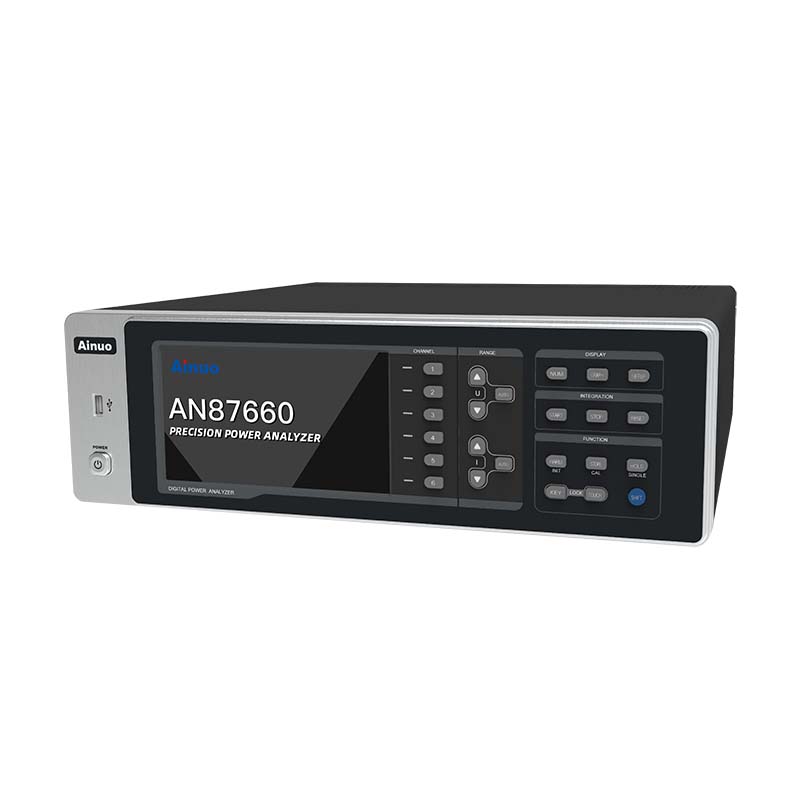
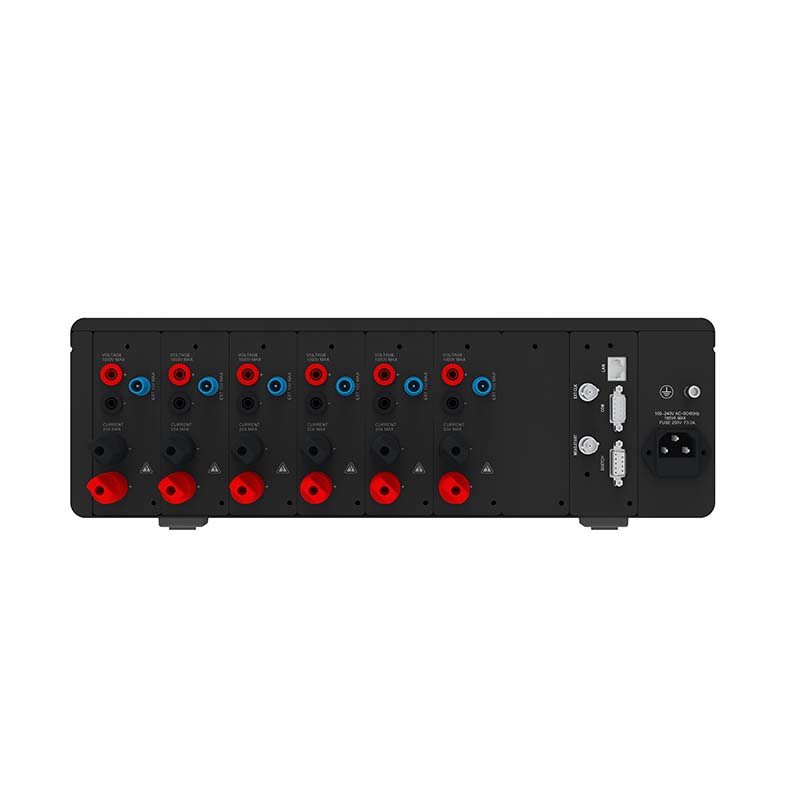
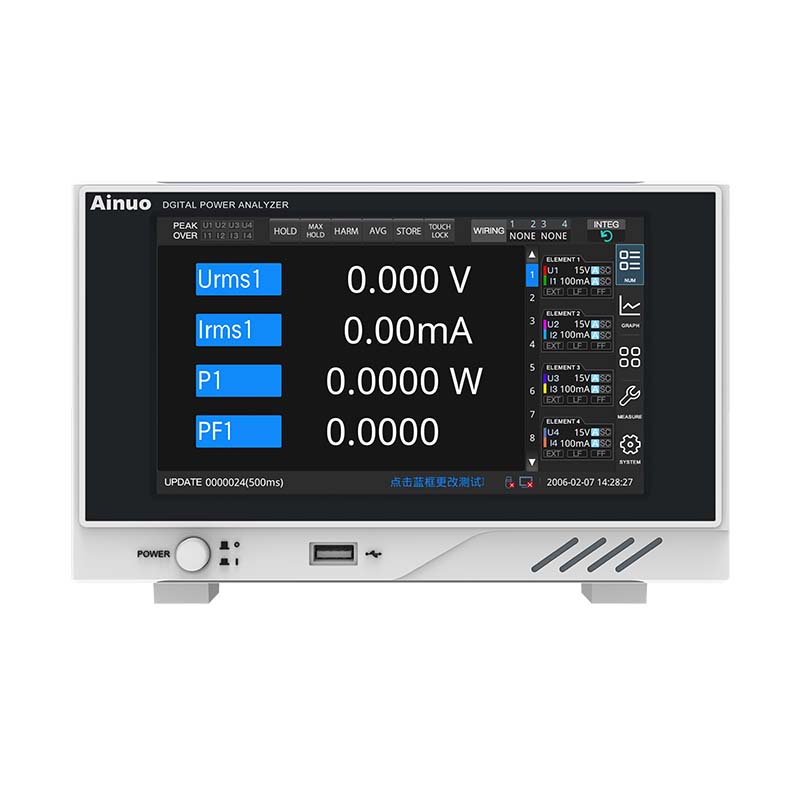
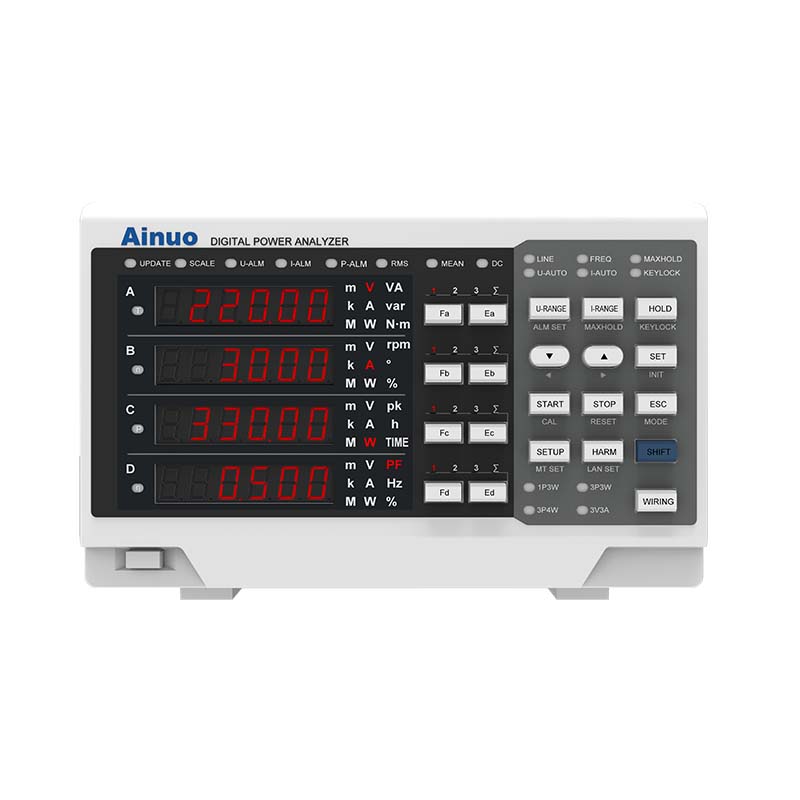
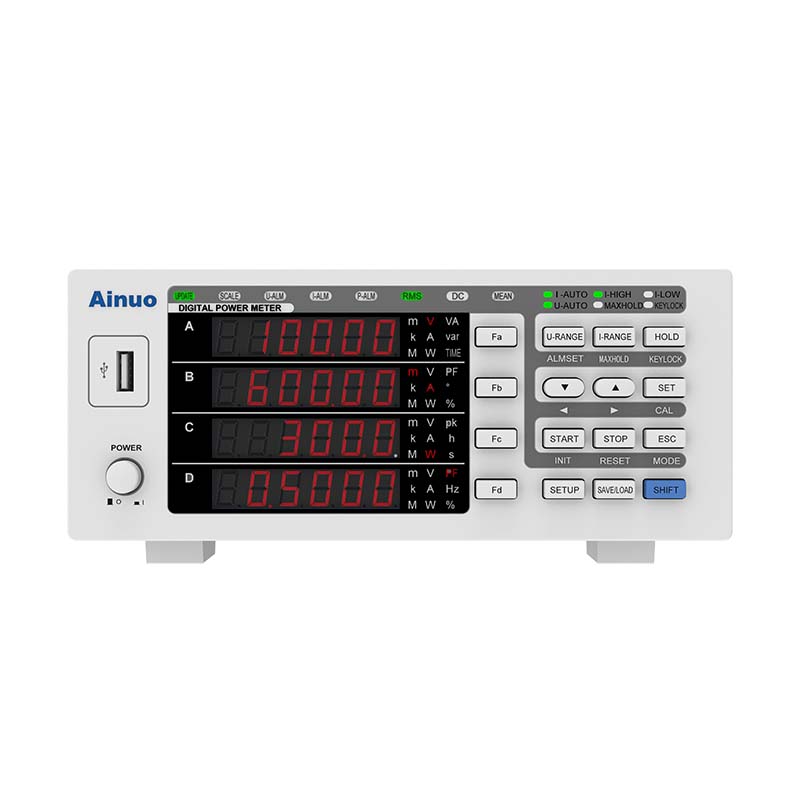
Overview
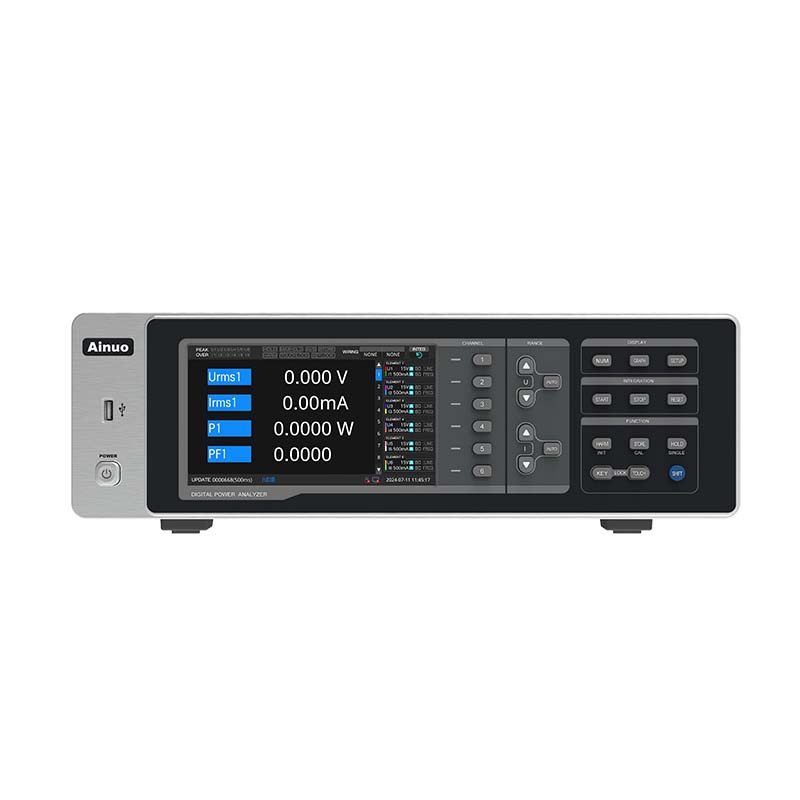
- Multi-Channel: 6-channel synchronous power analysis
- Basic Accuracy: 0.05% of reading+0.05% of range
- Measurement Bandwidth: DC, 0.5Hz~100kHz
- Sampling Rate: 200KSps
- Maximum Voltage: Standard 1000V (DC1500V)
- Maximum Current: 20A (standard), 50A/5A(optional), support for mixed configurations, optional sensors available
- LCD Display: Full touchscreen experience, customizable display interface, waveform display
- Data Storage: Customizable storage items, export in CSV format
Application
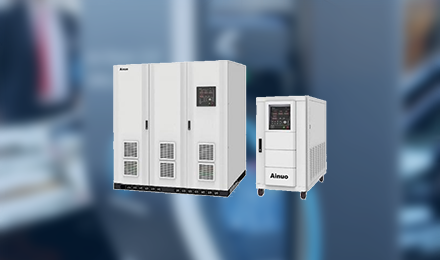
- Analysis of standby power consumption and power for single-phase/three-phase household and commercial appliances
- Analysis of power, efficiency, and harmonics for photovoltaic inverters
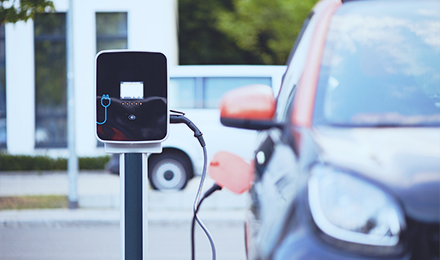
- Measurement of electrical performance for electric vehicles and charging piles
- Power and harmonics analysis for power electronics, transformers, and generators
- Power and harmonics analysis for variable frequency drives and variable frequency motors
- Analysis of power, harmonics, and surge current for switching power supplies
- Power analysis for lighting systems and LED lighting
Features
- Multi-channel Configuration: Configurable with 1 to 6 channels for synchronous measurement units, adaptable for various load measurement needs such as single-phase, three-phase three by two, three-phase four by two, four-phase (DC+three-phase three), etc(applicable to loads like air conditioners, inverters, variable frequency drives, motors).
- High Accuracy: Utilizes high-speed FPGA+ARM dual-core processing, 16-bit high-speed, high-precision AD converter, achieving a basic accuracy of up to 0.1%, with the fastest data update cycle of 100ms.
- Wide Power Range: Each channel can measure currents up to 50A (optional specifications include 20A,5A,1A, etc, supporting mixed configurations), with a minimum power resolution of 0.1mW, meeting requirements for standby power consumption measurement and rated power measurement.
- Wide bandwidth: Dual-use for AC and DC signals, with a power measurement bandwidth ranging from DC, 0.5Hz to 100kHz, suitable for measuring the power of various standard and non-standard sinusoidal waveform loads.
- Multi-channel Harmonic Analysis: Capable of simultaneous harmonic analysis on six channels, measuring up to the 50th harmonic, distortion analysis, and displaying harmonic content of each order and total content intuitively.
- Multi-channel Frequency Measurement: Six channels can perform frequency measurements simultaneously.
- Line Filtering: Employs low-pass filters of 500Hz and 5.5kHz, capable of measuring the fundamental value of PWM waveforms and filtering out high-frequency interference from switch-mode power supplies.
- Sensors: Ratio function, supports conventional I-I, V-V type voltage/current transformers; supports BNC interface I-V type current sensors, with a maximum input voltage of 10V, and optional high-current sensors available.
- Efficiency Calculation: Simultaneously measures input and output energy consumption of devices, and calculates their efficiency.
- Energy Accumulation: Capable of separately accumulating forward energy, reverse energy, and comprehensive energy, facilitating measurement for energy transactions.
UI
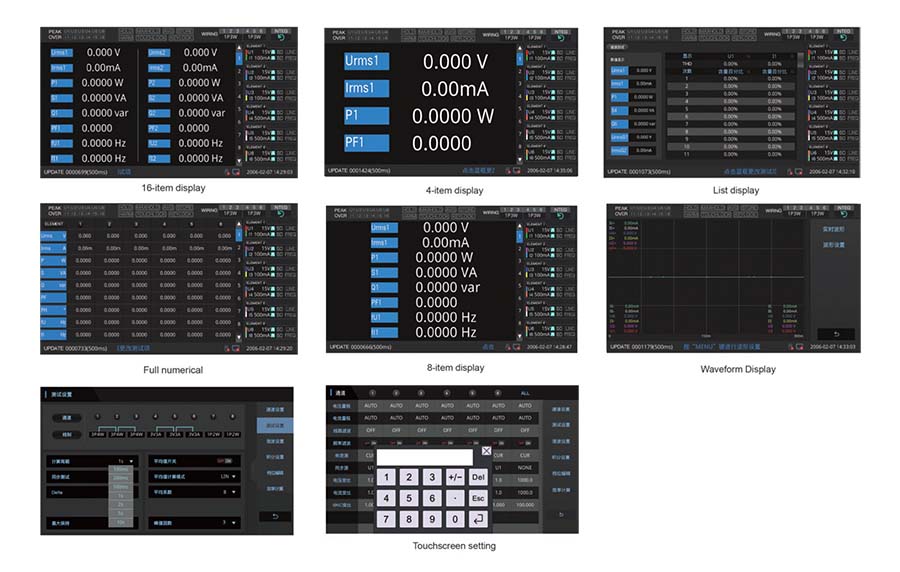
Channel Configuration
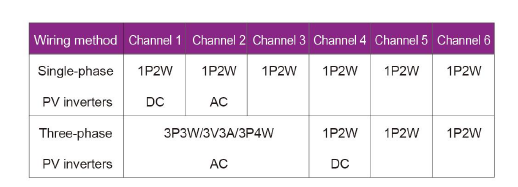
The multi-channel power analyzer supports various wiring configurations, including 1P2W,1P3W,3P3W,3V3A,3P4W, etc. In these configurations, adjacent input units with numbers greater than the currently selected unit are grouped as a wiring set.

Application
Photovoltaic Inverter Power Measurement
- Complies with "GB/T 37409-2019 Technical Specification for Testing of Photovoltaic Grid-Connected Inverters";
- Voltage range: 0~1000V (DC1500V);
- Current range: 0~50A/current sensor;
- Capable of simultaneously measuring input, output (single-phase, three-phase) power, and power factor, automatic efficiency calculation;
- 50th harmonic, distortion analysis;
- Bidirectional power measurement for buying and selling electricity.
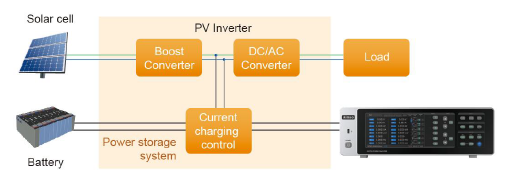
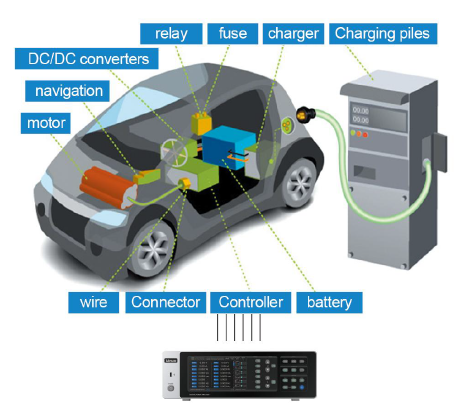
Electric Vehicle Electrical Performance Measurement
- Multi-channel, capable of simultaneously detecting multiple parameters: OBC(On-Board Charger), charging piles efficiency testing, battery charge and discharge performance, power conversion performance, motor performance, etc;
- AC/DC, maximum current 50A, expandable with larger current sensors;
- High accuracy, basic accuracy 0.1%, minimum power resolution 0.1mW;
- Capable of measuring instantaneous effective value, average value, peak value, energy consumption, etc., of AC and DC signals.

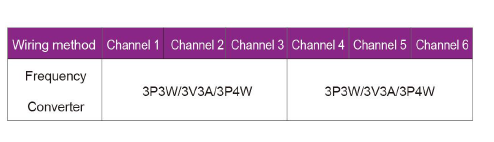
Frequency Converters Power Measurement
- Complies with GB12668 standard
- Power bandwidth: DC, 0.5Hz~100kHz
- Current range: 0~50A/current sensor
- Capable of simultaneously measuring input and output power
- 50th harmonic, distortion analysis
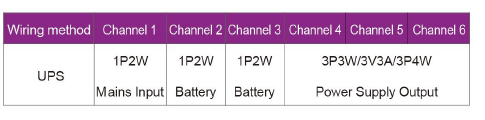
Power Supplies/UPS Power Measurement
- Current range: 0~1A/5A/20A/50A
- Power bandwidth: DC, 0.5Hz~100kHz
- Capable of simultaneously measuring input, output(single-phase,three-phase) power, monitoring battery charge and discharge
- Automatic efficiency calculation
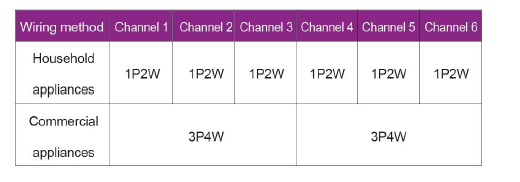
Household Appliance Performance Evaluation/Standby Power Consumption Measurement
- Complies with IEC 62301-2011 standard
- Current range: 0~1A/5A/20A/50A, capable of measuring rated power and standby power
- Minimum power resolution: 0.1mW
- 50th harmonic, distortion analysis
Measurement of Lighting and LED Power
- Current range: 0~1A/5A/50A
- Minimum power resolution: 0.1mW
- Measure input and output power, power factor, and efficiency of the driver power supply
- 50th harmonic, distortion analysis

Specifications
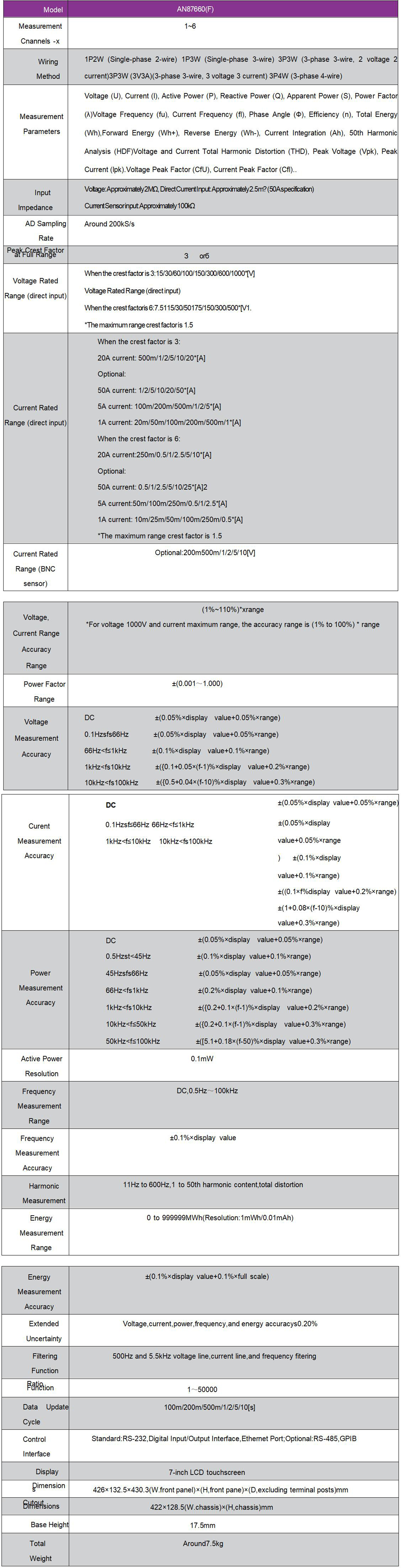
Any changes to the above parameter specifications will not be notified separately.
[Conditions]
- Temperature: 23+5 °C, Humidity: 30%-75%RH, input Waveform: sinusoidal Wave, Common Mode Voltage: 0v, Line filter: OFF, Frequency Filter: ON below 440Hz, Power Factor λ: 1, Crest Factor: 3. After preheating, under wiring conditions, zero adjustment or change of range.
- In the measurement accuracy formula, f represents frequency, with unit kHz.
- When the data update rate is 100ms, all accuracies are added to 0.05% of the reading.
- Due to the influence of temperature changes after zero adjustment or range change
- Voltage DC accuracy increases by 0.02%/℃ of the range. Current DC accuracy increases by 500uA/℃. External sensor DC accuracy increases by 50uV/℃. Power DC accuracy increases by the product of voltage and current influences.


 TEL:+86 532 83995188
 PHONE:+86 177 5322 5039
 E-MAIL:ainuo@ainuo.com
 ADDRESS:No. 134 Zhuzhou Rd, Laoshan District, Qingdao, China